Turning Community Knowledge Into Evidence for Change
At Siren, Research and Learning are part of how we work. We study what our programs achieve, listen to our participants, families, teaching artists and educators, and use what we learn to make better decisions — in the classroom, on stage and across the organization.
Good intentions are not enough
At Siren – Protectors of the Rainforest, Research and Learning are part of our everyday work. They move us from what our community knows to what the wider system can see, measure and act on. Communities, partners and supporters deserve to know that our work makes a difference, and we owe it to the people we serve to keep getting better.
Specifically, Research and Learning help us:
In Our Programs
- Design with purpose, starting from what is needed rather than from assumptions.
- Deliver well, checking that each residency, workshop and performance reaches the people it is meant for.
- See what changes, in belonging, confidence, cultural identity, leadership and environmental awareness.
- Improve continuously, keeping what works, adjusting what doesn't, and growing what matters most.
In Our Operations
- Plan and prioritize, so resources go where they have the greatest effect.
- Stay accountable, reporting honestly to participants, partners and supporters, including what we are still learning.
- Build partnerships, giving schools, universities and cultural institutions a shared, evidence-based language for working with us.
- Grow sustainably, creating a record of results that every new program and partnership can build on.
Research with communities, not on them
We conduct our research with communities, not on or about them, guided by four principles:
Community-led
We use community-based participatory research. Youth, families and community members help shape the questions, interpret the findings and decide how they are shared.
Rooted in a strength-based cultural approach
We begin our studies from the strengths of our participants, such as language, heritage, artistic traditions and family knowledge, rather than from deficits.
Rigorous and mixed-method
Conversations, focus groups and interviews sit alongside validated surveys, so that lived experience and measurable change inform each other.
Built for use
Every study is designed with the people who will act on it, so our findings are translated into real decisions.
Our work is built on clear processes and led by experienced researchers and evaluators, working alongside academic partners, arts-in-education practitioners, teaching artists, and specialists in policy and community engagement. Together they bring rigor, field knowledge and community trust to every inquiry, and follow recognized standards for consent, privacy and research ethics.
Not a separate program — part of everything we do
Research at Siren runs through all of our work, asking four major questions:
What does our community need?
Are we reaching the people we intend to?
What is changing for them?
What should we keep, change or grow?
The Bridge Pathway
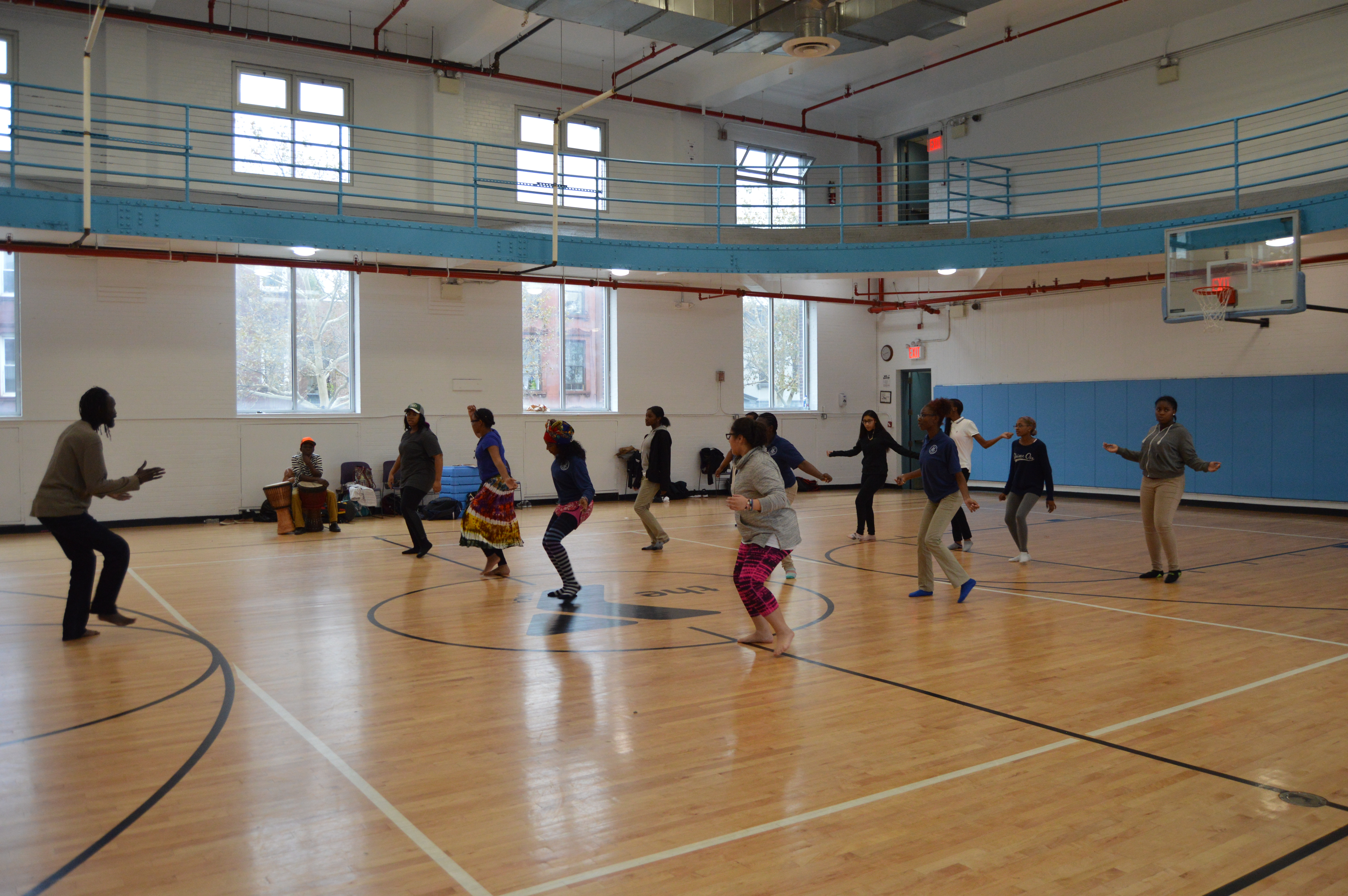
The Bridge Pathway is Siren's emerging, culturally grounded initiative for first-generation African immigrant youth, and the program our research follows most closely. It brings together six components from our programs:
Together they aim to strengthen educational belonging, school engagement, cultural identity, youth leadership, family participation and community connection. Research helps us learn which parts make the biggest difference, so the Pathway can grow on solid evidence.
Sub-Saharan African immigrants in the U.S. in 2024, more than three times the number in 2000
Source: Migration Policy Institute
A generation standing between two worlds
In New York City and beyond, a growing generation of young people stands between two worlds. They are first-generation African immigrant youth: born on the continent or raised by African parents across the boroughs. These young people bring languages, histories and cultural strengths into their classrooms. Yet schools often see them only as “Black” or only as “immigrant”, and rarely both. As a result, their African identity, achievement and heritage can go unrecognized, and these cultural misunderstandings can shape how they are taught, counseled and disciplined.
A source of knowledge about the communities we serve
At Siren, we aim to be known not only for culturally grounded programs, but as a source of knowledge about the communities we serve. Over the coming years, our initiative will continue to grow in four directions.
Measuring our impact
We are building evaluation into every program, starting with a learning framework for the Bridge Pathway that tracks participation, belonging, engagement and cultural identity over time.
Exploring new areas of inquiry
Including African Ecological Arts and Environmental Justice, exploring how cultural knowledge deepens environmental engagement; and African Immigrant Memory, Oral History and Cultural Preservation, recording migration stories and intergenerational knowledge before they are lost.
Sharing what we learn
Findings will return to the community first, through Community Conversations and forums, then reach educators and policymakers through practical guides, educator training, policy briefs, publications and public storytelling.
Growing our partnerships
We are deepening relationships with universities, schools, cultural institutions and African diaspora organizations so the research is stronger, shared more widely and owned by the community.
Help Us Build the Evidence
This work depends on many voices. If you are a young person, parent, teacher, school leader, teaching artist, researcher or funder who cares about African immigrant youth, we would love to hear from you.